The phrase protection stone sounds simple until you ask what protection means. A person may want a bracelet that reminds them to say no, a keepsake connected to family tradition, or reassurance after a difficult encounter. A seller may use the same phrase to promise protection from the evil eye, a curse, illness or electromagnetic exposure. These are very different claims, and buying a stone does not make them equally credible.
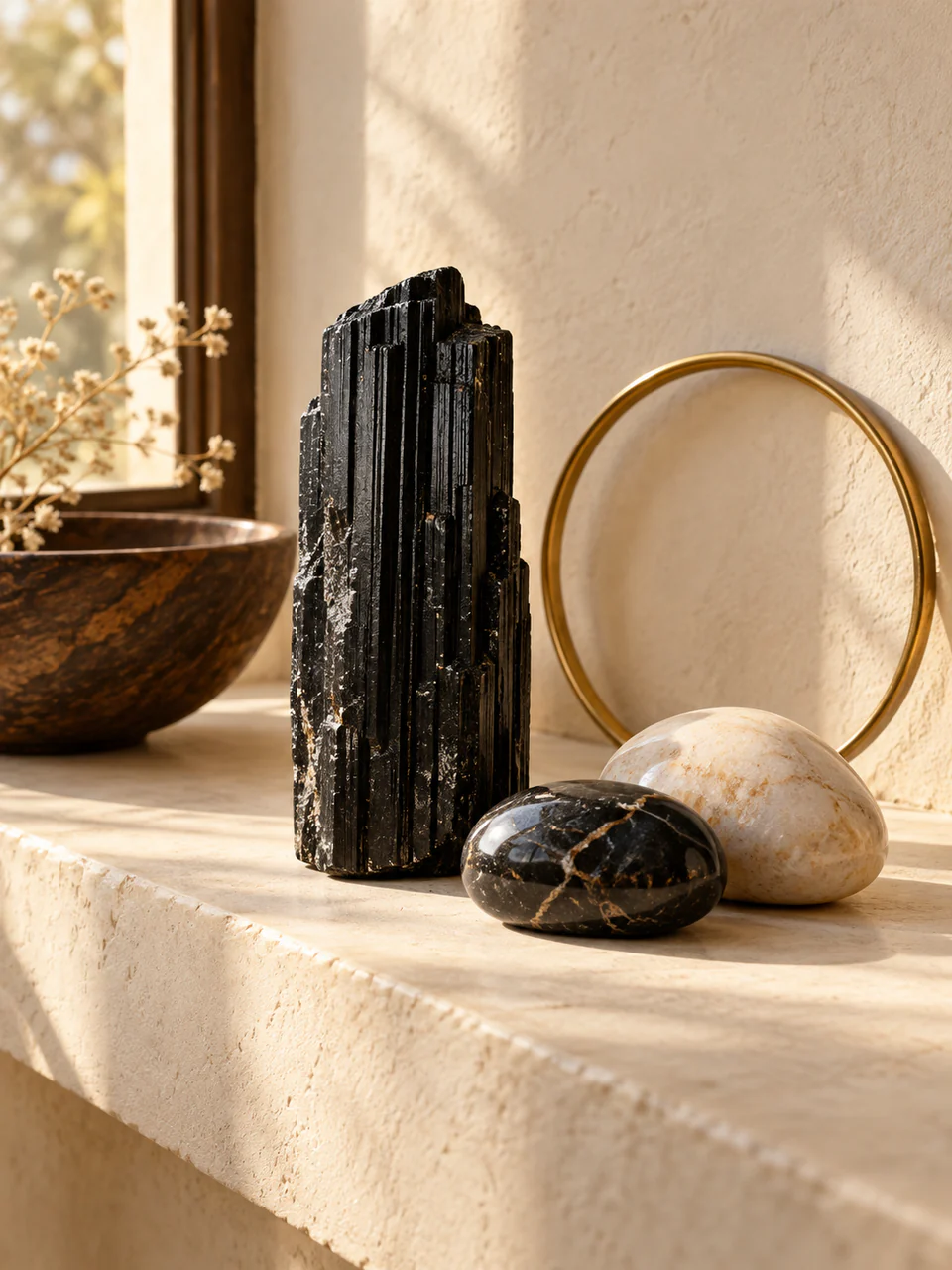
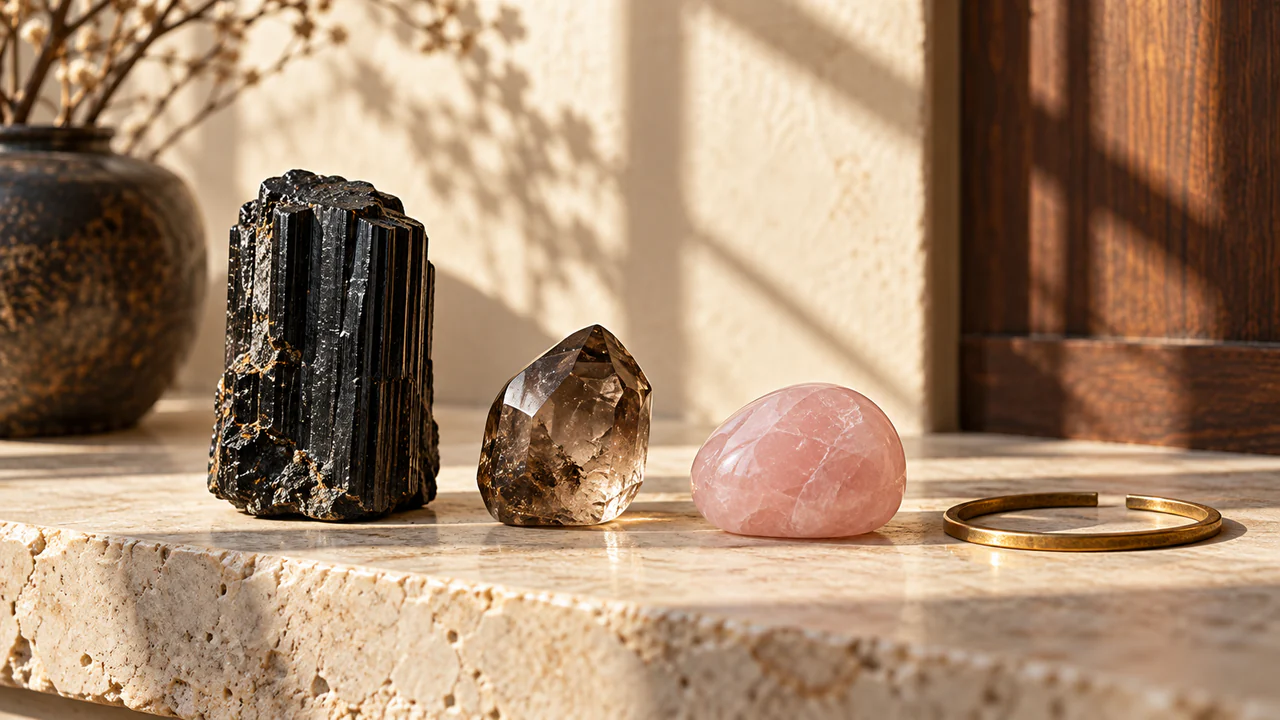
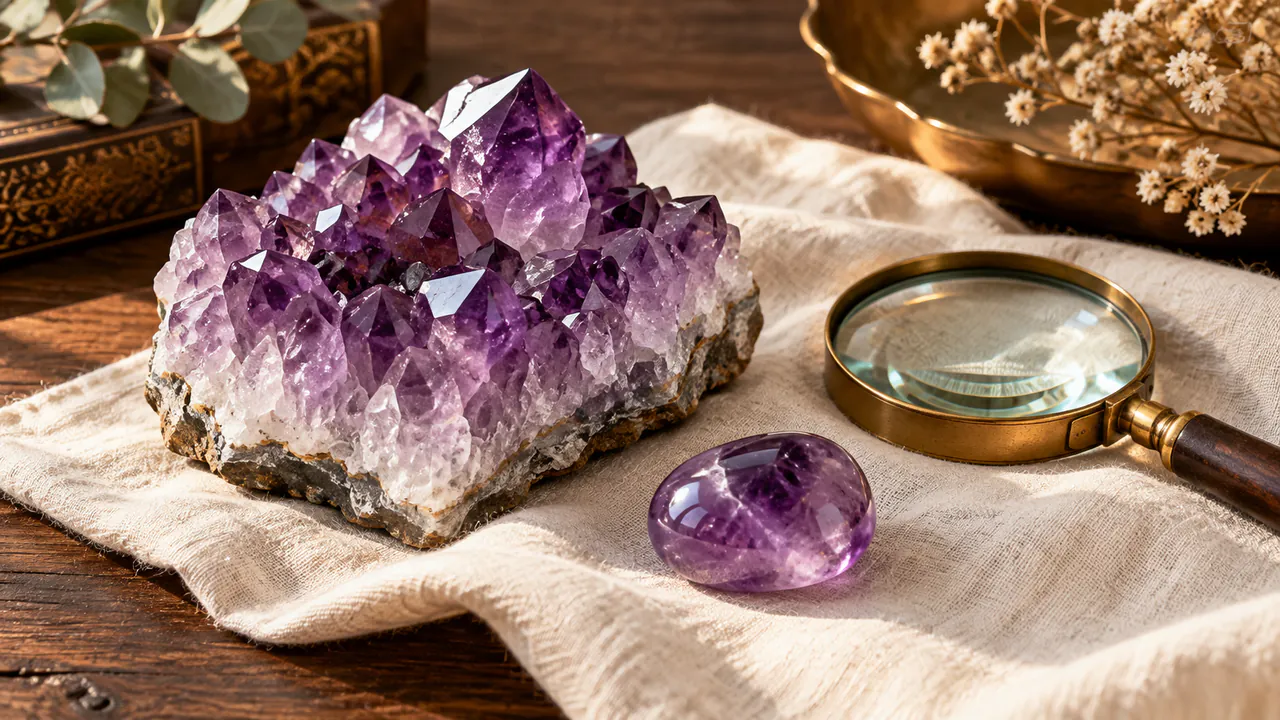
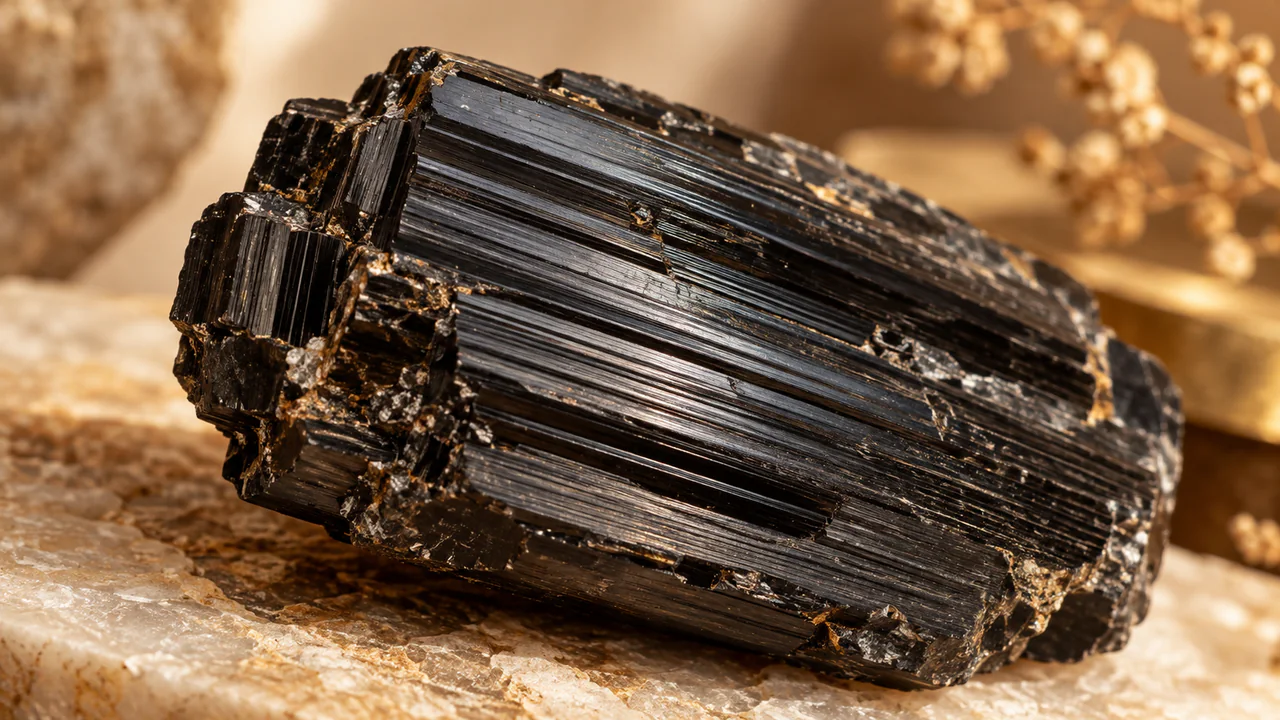
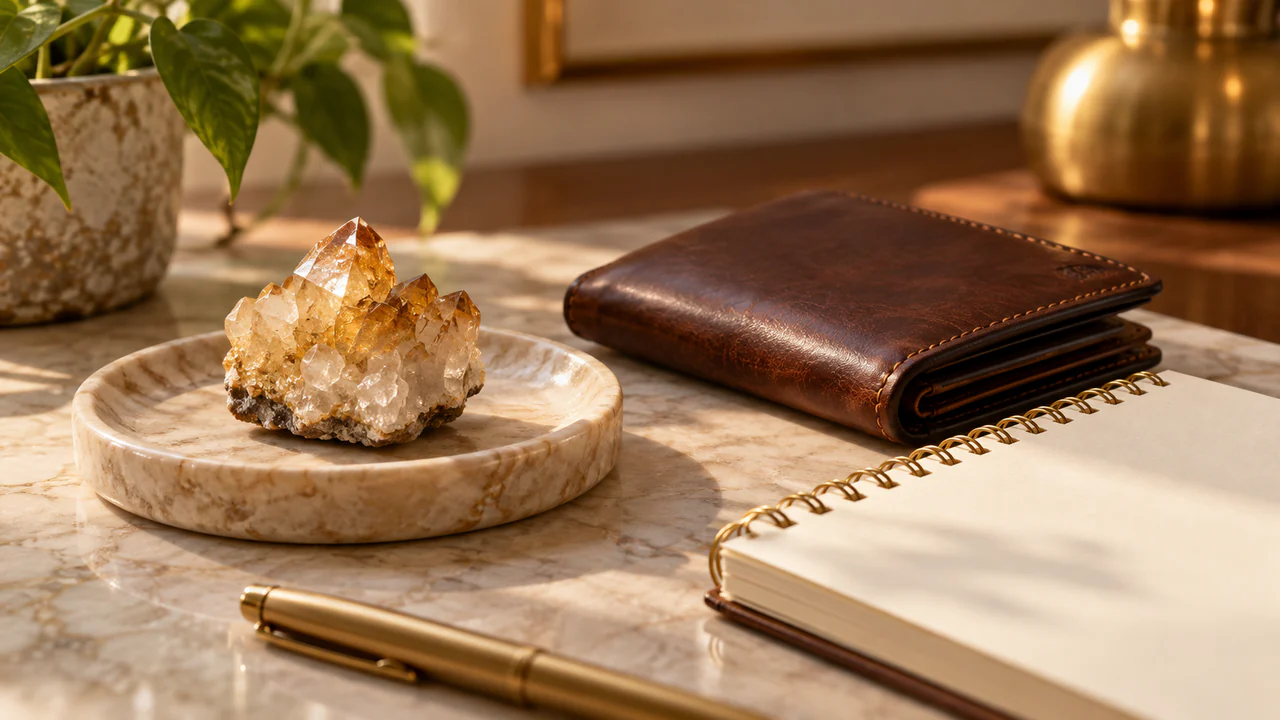
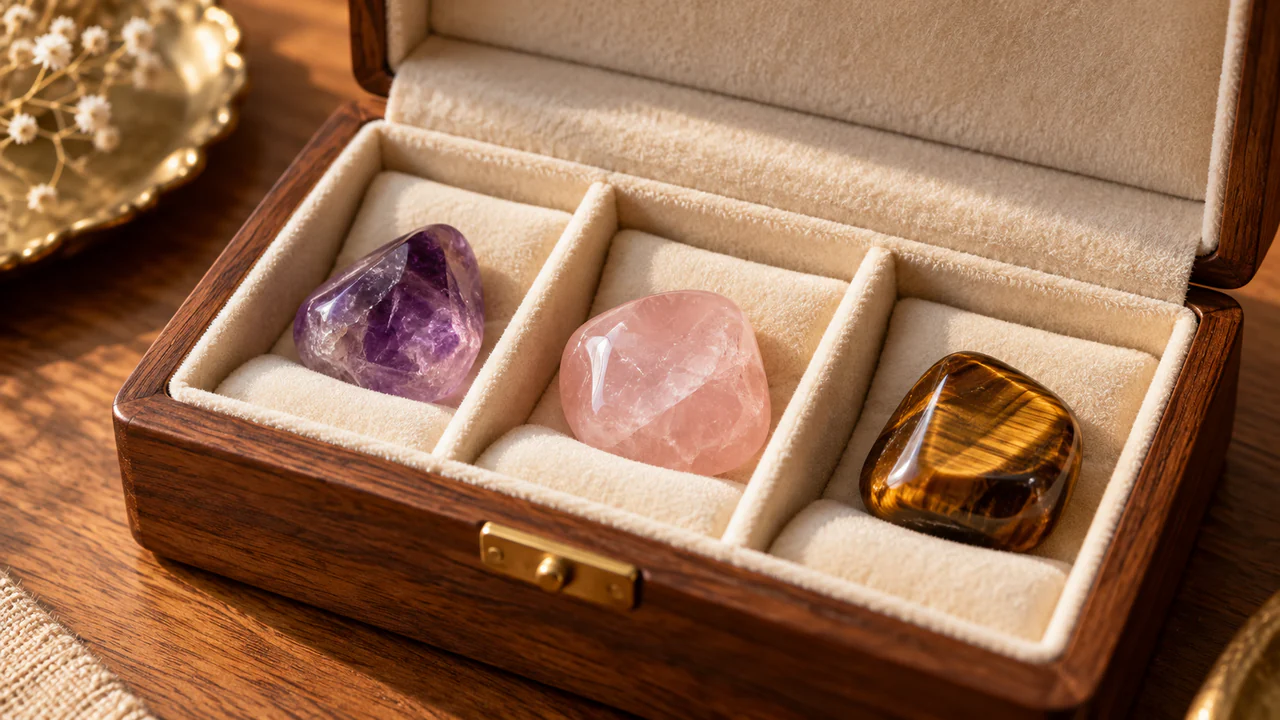
You can appreciate a symbolic object without giving it responsibility for your safety. This guide helps you identify the meaning you want, compare the actual product and turn an intention into an action you can control. Its generated illustrations show editorial scenes, not verified specimens for sale, diagnostic examples or proof of supernatural effects.
Define what you want protection from
Begin with a situation, not a shopping list. Perhaps you answer work messages at night, share more personal information than you want, or leave a conversation feeling unable to disagree. Each problem suggests a practical next step. Muting notifications, changing privacy settings or preparing a short refusal directly addresses something observable. A stone can remind you of that step, but cannot perform it for you.
Our services
Private 1:1 Tarot Reading with Fardous
Direct, personal, and focused clarity on your most pressing question.
Write one sentence: I want this object to remind me to do what? If the answer is pause before replying, you have a workable use. If it is guarantee that nobody envies me, you have a promise no seller can reliably verify. The distinction matters most when you are worried. Anxiety can make certainty sound attractive, and a product description can offer certainty much more easily than it can demonstrate it.
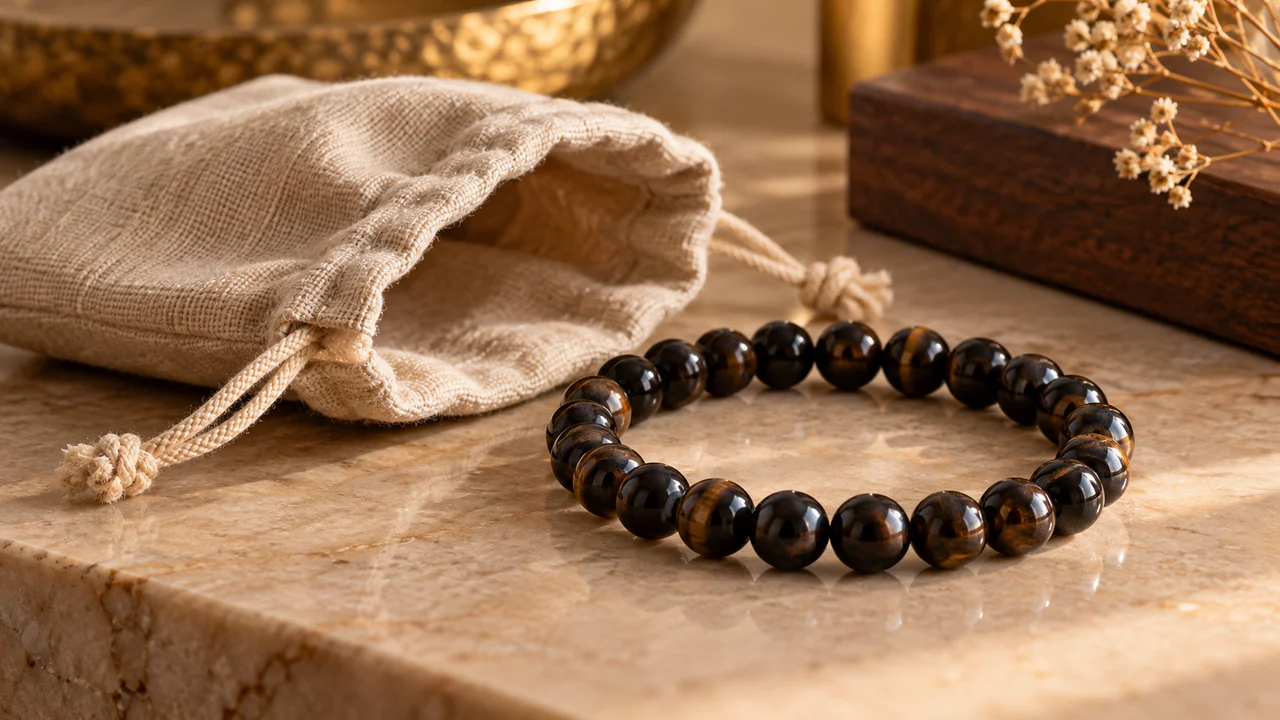
Black tourmaline: a symbol does not establish a shield
Black tourmaline is frequently presented in contemporary crystal culture as a stone of protection or grounding. Treat those words as symbolic language. They do not show that a bracelet blocks another person's intentions or makes an unsafe setting safe. If you like the dark colour and textured appearance, that is already a legitimate reason to choose it. You do not need an escalating story of danger to justify enjoying a mineral.
Ask about the particular piece and its construction. Rough crystals and polished beads handle everyday wear differently. For care, GIA recommends warm soapy water for tourmaline and advises against steam and ultrasonic cleaning; consult the seller about the whole item, including thread, glue and metal. See the GIA tourmaline care guide. Keep mineral maintenance separate from claims that a stone has absorbed somebody else's negativity.
Our services
Private 1:1 Tarot Reading with Fardous
Direct, personal, and focused clarity on your most pressing question.
If a bead cracks, inspect the bracelet and stop wearing it if it may break. A physical break is not evidence that the object intercepted a curse. Do not let damage automatically trigger another expensive purchase or a paid ritual described as urgently necessary.
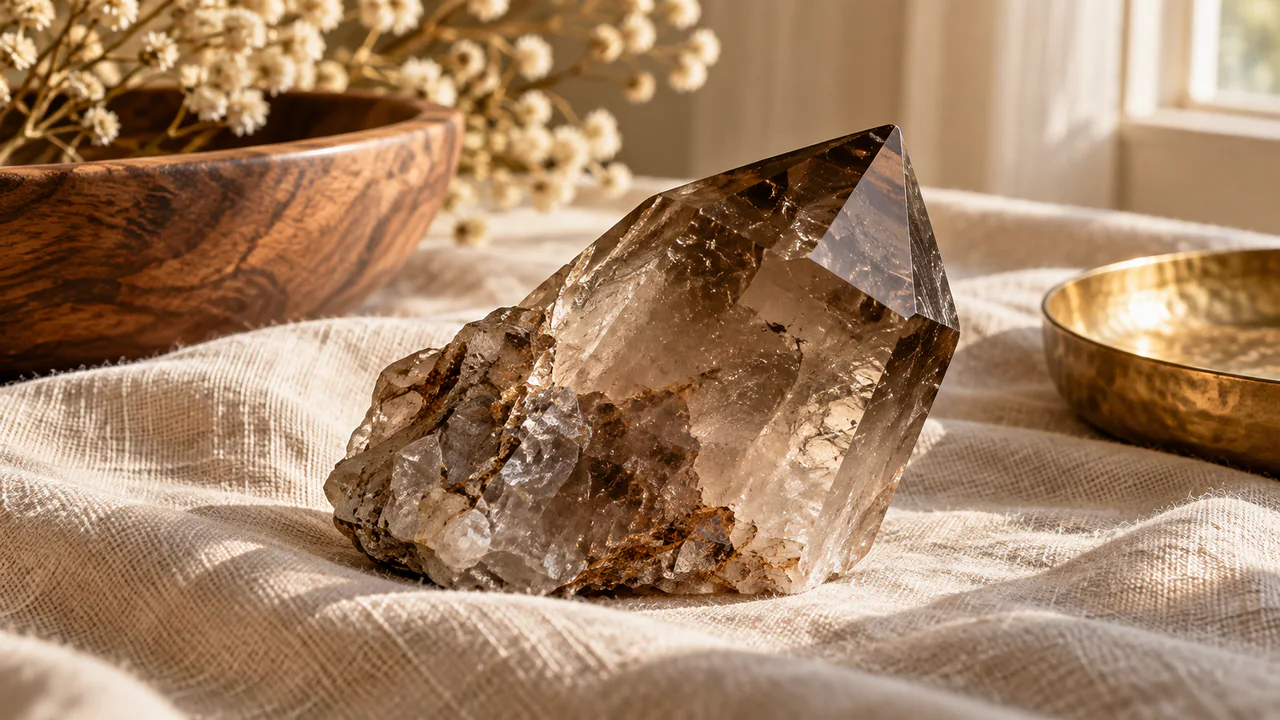
Smoky quartz: make grounding a concrete action
Grounding can be used loosely to mean feeling less scattered. If you choose smoky quartz as a reminder of that intention, decide what the reminder asks you to do. You might put down your phone before dinner, notice where you are sitting, or write the one task you will finish before starting another. These are ordinary actions; they remain available without a crystal.
Imagine a tense message arriving at work. Rather than asking whether the stone is strong enough, give yourself time to read the message once, separate the request from your assumptions and choose when to respond. A small object on the desk can mark that pause. It should not become a test that you failed whenever you feel upset. Feeling a difficult emotion does not mean you used the stone incorrectly or need a more costly one.
For identification and value, request a clear material description. A polished brown object in a photograph is not enough to establish what you are buying. The illustration here communicates appearance and context only; it cannot replace an assessment of an actual specimen.
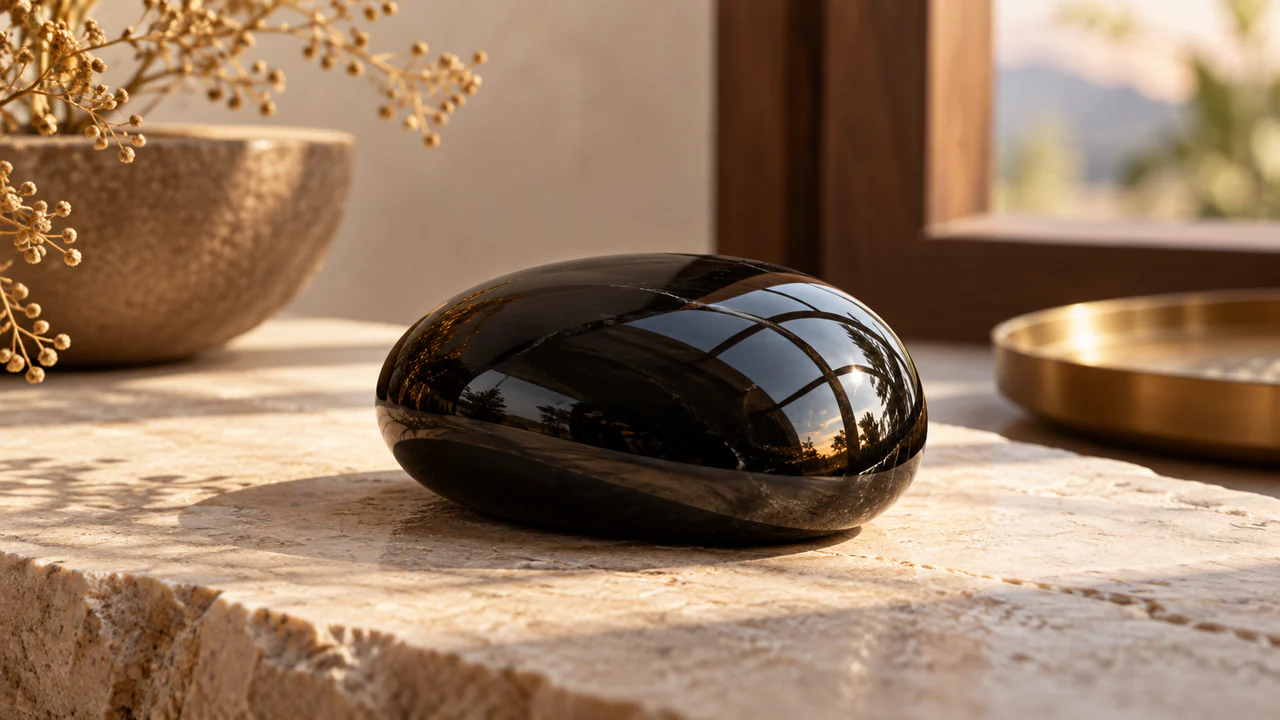
Obsidian: reflection without assigning hidden motives
A smooth dark surface can work as a metaphor for reflection. Some people use obsidian in that way, asking what they need to notice about their own reactions. Keep the question directed toward what you can examine: your expectations, your choices and the words actually exchanged. An object cannot reveal a colleague's secret intention or prove that a relative wishes you harm.
If an encounter left you uncomfortable, record what happened in plain terms. Someone interrupted me three times is more useful than their energy attacked me, because the first statement points to a possible conversation or boundary. You can still use spiritual language privately if it is meaningful to you. For decisions affecting other people, return to observable behaviour and avoid accusations based on a reading, a dream or the appearance of a stone.
Our services
Private 1:1 Tarot Reading with Fardous
Direct, personal, and focused clarity on your most pressing question.
Choose a finished object suited to handling and check for sharp or damaged edges. A decorative stone is not a tool to use on the body. If a ritual asks you to cut, burn, ingest or otherwise expose yourself to harm, the fact that it uses a natural material does not make it appropriate.
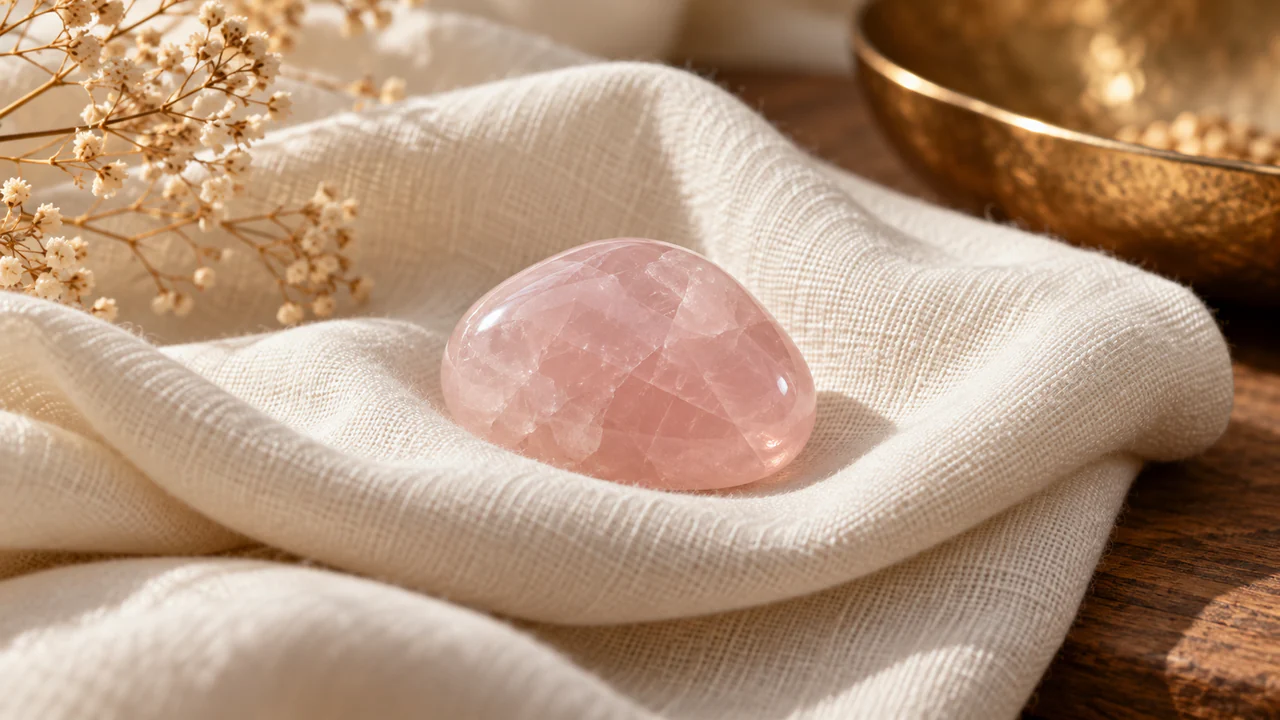
Rose quartz: kindness is not unlimited availability
Rose quartz is commonly used as a symbol of affection or kindness. That can be a useful theme when protection has started to mean shutting everyone out. Kindness and boundaries can coexist: you can care about someone without accepting every request, sharing every detail or answering at any hour. A reminder is most helpful when it supports a sentence you can actually say.
For example: I cannot discuss this tonight, but I can speak tomorrow afternoon. Or: I care about you, and I am not able to lend money. These are examples to adapt, not scripts that guarantee a response. The other person may be disappointed. Their disappointment does not automatically make the boundary wrong, nor does it prove that you failed to maintain positive energy.
If you are choosing a gift, avoid presenting it as an obligation to forgive or resume contact. A person may enjoy the stone and still need distance. A thoughtful message can simply say what you appreciate about them, leaving them free to decide what the object means.
A bracelet should be comfortable before it is symbolic
Check bead size, weight, thread or clasp, and how the bracelet moves on your wrist. Look at the materials that touch your skin and ask about metal components if you have relevant sensitivities. A product labelled protective may still be poorly made or unsuitable for your routine. It deserves the same ordinary questions as any other item you plan to wear.
Think about your work, exercise and household tasks. Will you need to remove it around machinery, water or activities where jewellery may catch? Can you put it somewhere safe when you take it off? A personal ritual becomes easier to maintain when it fits your actual day. It becomes less helpful when removing the bracelet makes you afraid that something bad will happen.
Our services
Private 1:1 Tarot Reading with Fardous
Direct, personal, and focused clarity on your most pressing question.
There is no need to wear a particular number of stones or combine them according to a seller's escalating package. Start with what you like and can use comfortably. If you later decide the item does not suit you, changing your mind does not create a spiritual debt or require another purchase to correct it.
Protect your budget as well as your attention
Set a limit before browsing. Include shipping, a separate chain, taxes where applicable and possible return costs. Compare the description, dimensions and return terms, not only the name assigned to the stone. A seller who is confident about the object should be able to explain these details without turning the conversation into an assessment of how frightened you ought to be.
Be cautious with claims that only one particular person can activate the stone, that a new payment is needed whenever you feel tired, or that declining a service will bring harm. These claims can make a purchase difficult to leave. Pause, keep the written messages and discuss the decision with someone who is not financially involved. You do not have to resolve the argument about spiritual belief to decide that the sales pressure is unacceptable.
For a higher-value item, ask what independent identification is available and what it actually covers. A certificate for material identity does not certify supernatural protection. Likewise, a testimonial describes a person's account; it is not a controlled comparison that proves the cause of their improvement.
Care for the object without turning maintenance into fear
Store pieces separately so they do not knock against one another. Follow instructions for the actual material and setting instead of treating every stone alike. General jewellery guidance from GIA discusses the risks of light, heat and chemicals and the value of appropriate storage: caring for jewellery. Unknown treatments and mixed materials are reasons to ask a professional before soaking or heating anything.
If you enjoy a symbolic reset, keep it simple and safe: tidy the place where the object rests, wipe it according to its care instructions and name one action for the coming day. You do not need smoke, salt, a special moon phase or a repeated payment to maintain an ordinary object. Do not put stones into drinking water or swallow material from them.
If the routine starts taking more and more time because you never feel certain it worked, step back from the ritual. Ask whether it is supporting your life or narrowing it. If fear is disrupting sleep, work or relationships, speak with a qualified health professional rather than relying on increasingly elaborate cleansing instructions.
Our services
Private 1:1 Tarot Reading with Fardous
Direct, personal, and focused clarity on your most pressing question.
Choose one small boundary for the next week and make it observable. You might stop reading non-urgent messages after a chosen time, decline one request that exceeds your capacity, or change who can see a personal post. At the end of the week, ask whether you carried out the action and whether it needs adjusting. This tells you more than trying to measure the invisible strength of an object.
If you like using symbols to organise your thoughts, explore the free tarot tool with an open question about your own choices. Our guide to asking a useful tarot question explains that approach, while what tarot can and cannot tell you sets the limits. Do not use a reading to diagnose a curse, identify an alleged enemy or replace action on a real safety concern.
For another stone comparison, read the citrine guide. You can also explore the free birth chart calculator as a symbolic tool and watch Fardous Nashaat on YouTube. Keep these activities in the space of reflection and entertainment; your privacy settings, financial decisions and personal boundaries still need your own judgement.
Which stone is strongest against the evil eye?
There is no reliable basis here for ranking stones by an ability to stop the evil eye or remove a curse. You may choose an object that has cultural or personal meaning, but a seller should not turn that meaning into a guaranteed result.
Can I use several stones together?
As decorative objects or jewellery, choose according to comfort, construction and safe storage. There is no obligation to build a collection. Check care requirements separately instead of assuming that every material tolerates the same treatment.
What if I feel uneasy without my bracelet?
Notice the feeling without treating it as proof of danger. Return to the action the bracelet was meant to remind you of: a pause, a boundary or a call to someone you trust. If the fear persists or interferes with your day, ask for appropriate support. A meaningful object should leave room for your freedom, including the freedom not to carry it.
The short version
•A protective meaning is a belief or personal symbol, not proof that a stone blocks harm.
•Choose a clearly described object within a budget, without fear-based sales pressure.
•Use a reminder to support practical boundaries, never to replace them.