Most people come to tarot with one of two questions: "Will this happen?" and "Is any of this real?" Both are fair. This guide answers them as plainly as the evidence allows, then gives you a method for using a reading without being ruled by it.
What a tarot reading can do
A tarot spread gives a question a shape. Seventy-eight cards, a set of positions and a reader's voice turn a vague worry into a sequence of images you can look at, compare and talk about. For many people that structure is the real value: it slows the thinking down.
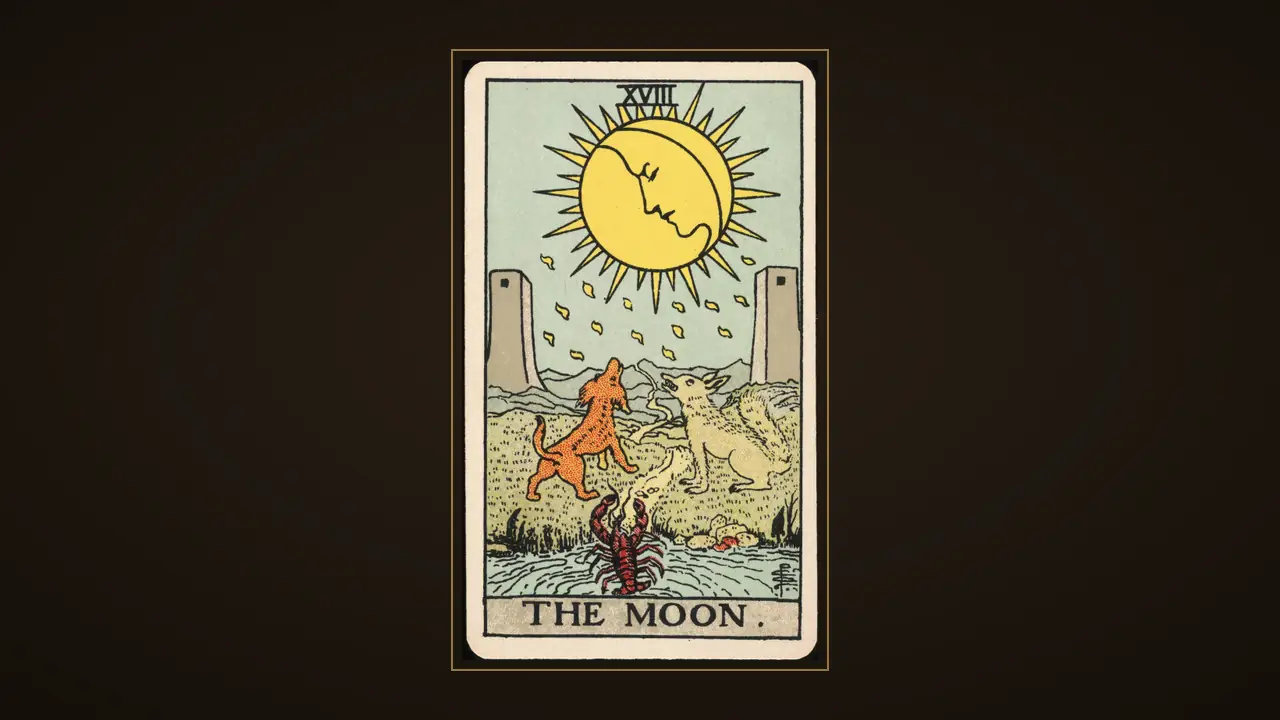
A card is also a prompt. The Moon, for example, shows a path between two towers, a pale landscape and a shape rising from water. A reader might ask what in your situation feels half-lit or unclear. The answer comes from you. Good readings make that question easier to ask, and they tend to leave you with something to do, not only something to wait for.
Our services
Private 1:1 Tarot Reading with Fardous
Direct, personal, and focused clarity on your most pressing question.
Some people use tarot as a rehearsal. Laying out three possible responses in a spread can make an awkward conversation feel more manageable, because the cards force you to name each option in one sentence. The benefit is clarity, not prophecy.
What a tarot reading cannot do
A reading cannot show a fixed future. Cards do not come with dates, and a statement such as "this will happen by spring" is a claim about the future that no card can verify before spring arrives. A reader who speaks with certainty about events, timing or outcomes is going beyond what the practice can support.
A reading cannot read another person's mind. It may describe a pattern you are living through, but it cannot tell you what a partner, colleague or relative privately feels or intends. If a reading claims to, treat that claim as a guess.
A reading cannot replace medical, legal, financial or safety advice. If a decision carries real consequences for your health, your money, your legal position or your safety, the cards can help you think, but they cannot supply the facts. Speak with a qualified professional.
Our services
Private 1:1 Tarot Reading with Fardous
Direct, personal, and focused clarity on your most pressing question.
And a reading cannot make the decision for you. The moment you hand over the choice, the reading stops being a tool and becomes a rule. Keeping the decision with yourself is the most important safeguard a reader can offer.
Why readings feel so accurate: the Forer effect
In 1949, the psychologist Bertram Forer gave 39 students a personality description that he presented as written for each of them individually. The descriptions were identical. Most students rated theirs as an accurate picture of themselves, averaging about 4.3 out of 5 in later accounts of the study. Forer called the tendency the "fallacy of personal validation": we accept vague, flattering or general statements as if they were specific to us.
The effect is now usually called the Forer effect, or the Barnum effect. It does not prove that readers are dishonest. It shows that a sentence can feel precise while describing almost everyone. Tarot images are open by design, so the same card can seem to match many different lives. That is why a reading should be tested against what happens, not judged by how well it feels in the moment.
The original study was a small classroom demonstration. Read the paper itself before you rely on its details; the reference list below gives the citation.
Where tarot comes from
Tarot began as a set of playing cards in northern Italy in the fifteenth century. For centuries the cards were used mainly for games. The mystical and divinatory uses that many people know today became prominent much later, in the late eighteenth century. The Marseille pattern, which many modern decks follow, belongs to the seventeenth century. The history matters because it shows that the meaning of the cards has been reshaped by many hands over time, and no single tradition owns their "true" meaning.
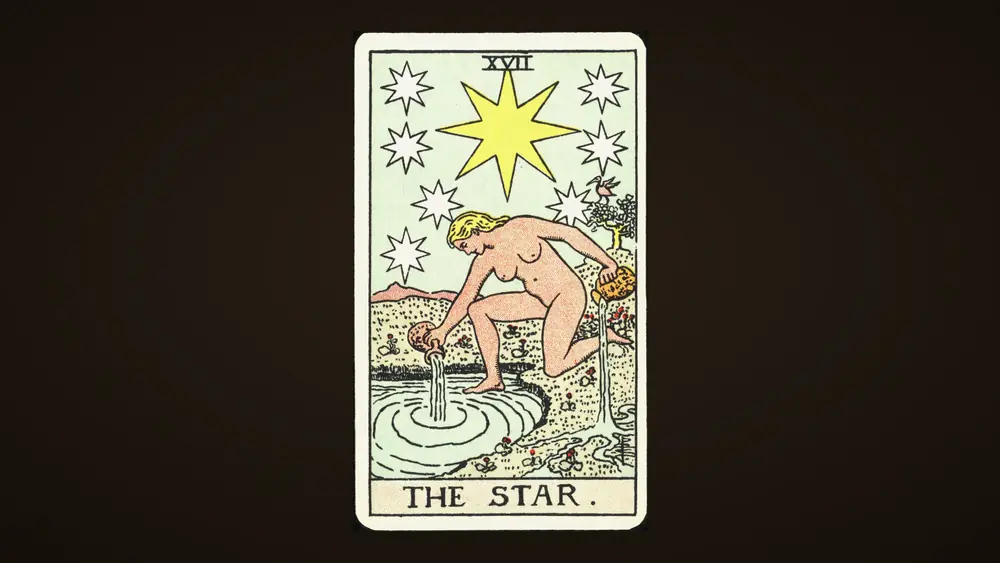
The deck used in most modern readings, including the Waite–Smith deck shown in this article's images, dates from 1909. Its designer, Arthur Edward Waite, wrote a book that explained the symbolism. The book lists upright and reversed meanings for each card. The Ace of Pentacles, for instance, carries a reversed meaning about the darker side of wealth (Waite's card entries, Sacred Texts). Those meanings are conventions of one tradition, not measured facts about the world.
Our services
Private 1:1 Tarot Reading with Fardous
Direct, personal, and focused clarity on your most pressing question.
You do not need to believe or disbelieve tarot to use it well. You need a method that lets the outcome teach you something.
Write the question in one sentence, and write the date, before you draw.
Note what you felt first on seeing the reading, not what you hoped it would say.
Decide one small step you could take this week, whatever the cards said.
Set a review date, such as thirty days later, and write down what actually happened.
This keeps the reading in the role of a prompt. Over several readings, your record will show which kinds of advice were useful and which were noise. That is the closest a personal practice can come to checking itself.
Signs that it is time to step back
Tarot is a reflective practice, and it should leave you steadier, not more afraid. Step back if any of the following is true:
You feel unable to decide anything without a reading.
A reading increases your fear, shame or pressure, and you keep returning to it for relief.
You are asked to pay more for a clearer or more certain answer.
Someone promises a specific future, such as a return, a marriage or a windfall, in exchange for money or urgency.
If you notice these signs, talk to someone you trust, and consider speaking with a qualified professional about what you are going through. If you are in immediate danger, contact your local emergency services.
What to expect from a private reading here
If you would rather have a reading with a person than a free draw, the site offers one-to-one video sessions of 15, 30 or 60 minutes. The site's FAQ states that a private session is between you and the reader, at the time you agreed, and that it is not recorded. The same limits apply. A session can help you think about a question, but it cannot give certainty about the future or replace professional advice. You can compare the options on the private readings page.
Common questions
Can tarot predict my future?
Not with certainty. Cards can organise your thinking about a situation and about the options you are weighing. A claim that a reading foretells a fixed outcome goes beyond what the practice can show.
Our services
Private 1:1 Tarot Reading with Fardous
Direct, personal, and focused clarity on your most pressing question.
Tarot is not a scientific method, and this article does not present it as one. It is a symbolic practice with a long history, and its value depends on how you use it.
Does a bad reading mean something?
Not by itself. Test it with the method above. Over time, the outcomes you record will tell you more than any single spread.
Can a free draw replace a consultation?
A free draw is a prompt for reflection. A one-to-one conversation can go further, but neither replaces advice from a qualified professional when a decision carries real stakes.
Is tarot permitted in my religion?
That question belongs to a trusted religious authority in your own tradition, who can speak to your situation. This article does not give a religious ruling.
Keep the cards as a question, and your life as the answer
Tarot can give a question structure and a moment of clarity. It cannot show a fixed future, read another person's mind, or decide for you. Use a reading as one input among several, write down what you expect, and check what happens. That habit will teach you more than any spread.
If you want to try a free draw first, the tarot tool lets you do that in your browser. The reading text in a free draw is written by an automated model, as the site's FAQ explains, so treat it as a prompt rather than a verdict.
The short version
•A reading gives a question structure and prompts reflection. It does not show a fixed future or a timetable.
•Vague, personal-sounding statements feel accurate to almost anyone. In 1949 Forer showed this with identical profiles.
•A reading cannot read another person's mind, and it cannot replace medical, legal, financial or safety advice.
•Write the question and the date before you draw, then check what actually happened. That is how a reading earns trust.
•If a reading brings fear, pressure or dependence, step back and talk to someone you trust or a qualified professional.